
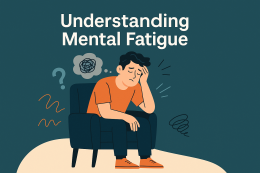
Why You Feel Tired All the Time: Understanding Mental Fatigue
2026-03-20 18:11:38Feeling tired even after getting enough rest is something many people experience today. You may wake up feeling low on energy, struggle to stay focused during the day, or feel mentally exhausted without doing anything physically demanding. This kind of tiredness can be confusing - and often, it is misunderstood.
At CIIMHANS, we believe that not all fatigue is physical. In many cases, it is deeply connected to your mental and emotional well-being. Understanding this concept is the first step toward managing it effectively.
What Is Mental Fatigue?
Mental fatigue is a state where your mind feels drained due to continuous cognitive or emotional activity. Unlike physical tiredness, which comes from bodily exertion, mental fatigue develops when your brain is overworked - even if your body is at rest.
This can happen due to:
Constant thinking or overthinking
Emotional stress or unresolved feelings
Continuous screen exposure
Lack of proper rest and routine
Information overload
Your brain is active throughout the day, processing thoughts, decisions, and emotions. When it doesn’t get enough recovery time, it begins to slow down, leading to feelings of exhaustion.
Why You Feel Tired Without Doing Much
One of the most common reasons behind this kind of fatigue is mental overload. Even when you are not physically active, your mind may be engaged in continuous internal activity - worrying about the future, replaying past situations, or managing daily stress.
Another major factor is the absence of true rest. Many people believe they are resting when they are scrolling on their phones or watching content. However, this still keeps the brain stimulated. Real rest means allowing your mind to pause and recover.
Irregular routines can also disrupt your natural energy cycles. When sleep, meals, and daily activities are inconsistent, the brain struggles to maintain balance, leading to low energy levels.
The Role of Emotional Health
Emotional well-being plays a significant role in how energetic or tired you feel. Carrying emotional stress - whether from work, relationships, or personal challenges - can silently drain your mental energy.
Sometimes, people try to ignore or suppress their feelings to “stay strong.†While this may work temporarily, it often leads to long-term emotional exhaustion.
At CIIMHANS, we emphasize that acknowledging emotions is not a weakness. It is a healthy step toward maintaining mental balance.
Signs of Mental Fatigue
Mental fatigue may show up in different ways, such as:
Difficulty concentrating
Lack of motivation
Feeling overwhelmed by small tasks
Irritability or mood changes
Poor sleep quality
Constant feeling of tiredness
Recognizing these signs early can help prevent further burnout.
How to Manage Mental Fatigue
Managing mental fatigue does not always require drastic changes. Small, consistent habits can help restore balance.
Create a simple routine
Having a structured day helps reduce decision fatigue and provides stability.
Take mindful breaks
Step away from screens and allow your mind to relax without stimulation.
Prioritize quality sleep
Maintain a regular sleep schedule and reduce screen time before bed.
Limit information overload
Reduce unnecessary exposure to constant news and social media.
Express your emotions
Talking to someone or writing your thoughts can help release emotional pressure.
When to Seek Support
If fatigue persists for a long time and begins to affect your daily functioning, it may be helpful to seek professional support. Mental fatigue can sometimes be linked to deeper concerns like anxiety, depression, or chronic stress.
At CIIMHANS, our approach focuses on understanding the root cause and providing personalized care through counseling, therapy, and structured mental health support.
Understanding Your Mind Matters
Feeling tired all the time is not something to ignore or dismiss. It is often your mind’s way of signaling that it needs care, rest, and balance.
At CIIMHANS, we believe that mental health awareness begins with understanding these everyday experiences. When you learn to recognize what your mind is going through, you take the first step toward better well-being.
Because sometimes, the most important kind of rest is not physical - it is mental.