
Understanding Procrastination: Why We Delay and How to Break the Cycle
2026-03-23 17:24:19We've all experienced it - putting off an important task, delaying work until the last moment, or choosing comfort over responsibility even when we know it might create stress later. This behaviour is commonly known as procrastination.
Often misunderstood as laziness, procrastination is actually a complex psychological pattern. At CIIMHANS, we believe it is important to understand that procrastination is not about a lack of ability - it is often about managing emotions, thoughts, and mental energy.
What Is Procrastination?
Procrastination is the act of delaying or postponing tasks despite knowing there may be negative consequences. It usually involves choosing short-term comfort over long-term benefit.
Instead of completing a task, a person might:
Scroll on their phone
Watch videos
Do less important work
Avoid starting altogether
While it may feel good in the moment, procrastination often leads to stress, guilt, and pressure later.
Why Do We Procrastinate?
Procrastination is not simply poor time management. It is often linked to how we feel about a task.
One common reason is fear of failure. When a task feels challenging or important, the fear of not doing it perfectly can lead to avoidance.
Another reason is perfectionism. People may delay starting because they want everything to be just right. This creates pressure, making it harder to begin.
Overwhelm is also a major factor. When a task feels too big or unclear, the brain avoids it as a way to protect itself from stress.
In some cases, procrastination is connected to low motivation or mental fatigue. When the mind is already exhausted, it seeks immediate comfort instead of effort.
The Emotional Side of Procrastination
Procrastination is deeply emotional. It is often a way of coping with discomfort.
When you delay a task, you are not avoiding the work itself - you are avoiding the feelings associated with it, such as:
Anxiety
Self-doubt
Pressure
Boredom
However, this avoidance is temporary. The task still remains, and over time, the stress increases.
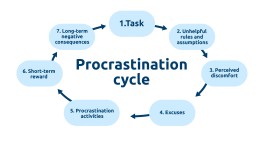
This creates a cycle:
Delay > Temporary relief > Guilt > Increased pressure > More delay
Breaking this cycle requires understanding the emotional triggers behind procrastination.
Signs of Procrastination
Some common signs include:
Constantly delaying important tasks
Feeling overwhelmed before starting
Choosing easy or less important work first
Working only under pressure or deadlines
Experiencing guilt after wasting time
Recognizing these patterns is the first step toward change.
How to Overcome Procrastination
Overcoming procrastination does not require drastic changes. Small, practical steps can make a significant difference.
Start small
Break tasks into smaller, manageable steps. Starting becomes easier when the task feels less overwhelming.
Focus on progress, not perfection
Allow yourself to do the task imperfectly. Taking action is more important than waiting for the perfect moment.
Set realistic goals
Avoid overloading your schedule. Clear and achievable goals reduce stress and increase consistency.
Create a structured routine
Having a fixed time for work helps reduce decision fatigue and builds discipline.
Limit distractions
Reduce unnecessary screen time and create a focused work environment.
Be kind to yourself
Self-criticism increases avoidance. Encouraging yourself instead of judging helps build motivation.
When to Seek Help
If procrastination becomes persistent and begins to affect your work, studies, or daily life, it may be linked to underlying mental health concerns such as anxiety, stress, or depression.
At CIIMHANS, we provide support through counselling and therapy to help individuals understand and manage these patterns effectively.
A Healthier Approach to Productivity
Procrastination is not a personal failure. It is a signal - a sign that something needs attention, whether it is your mindset, emotional health, or daily structure.
At CIIMHANS, we believe that improving productivity starts with understanding your mind, not forcing it.
Because real progress doesn't come from pressure -
It comes from clarity, balance, and consistent small steps.