
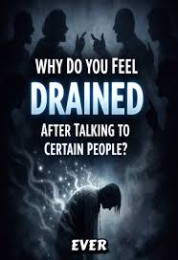
Why You Feel Mentally Drained After Talking to Certain People
2026-03-25 17:20:41Have you ever had a conversation that left you feeling unusually tired?
Not physically - but mentally and emotionally drained.
Sometimes, it’s not the length of the conversation that exhausts you, but the way it makes you feel. You may notice that after interacting with certain people, your energy drops, your mood shifts, or your mind feels heavy.
At CIIMHANS, we often help individuals understand that emotional exhaustion is not random. It is often connected to the kind of interactions we experience daily.
Emotional Energy Is Real
Just like physical energy, we all have a limited amount of emotional energy. Every conversation, interaction, or relationship requires some level of emotional involvement.
Healthy conversations can feel uplifting, supportive, and balanced. But certain interactions may feel one-sided, intense, or overwhelming - and these are the ones that often leave us drained.
Your mind constantly processes tone, words, body language, and emotional signals. When this processing becomes too heavy, mental fatigue follows.
Why Some Conversations Feel Draining
There are several psychological reasons why certain people or conversations can feel exhausting.
One common reason is emotional imbalance. When one person shares continuously without listening, or expects constant support without giving space in return, it creates an imbalance. Over time, this can feel overwhelming.
Another reason is negativity overload. Constant exposure to complaints, criticism, or pessimistic thinking can affect your mood and energy. The brain naturally absorbs emotional tones, even when you try to stay neutral.
Unclear boundaries also play a role. When you feel unable to say no, exit a conversation, or express your limits, you may stay in interactions longer than your mental capacity allows.
Sometimes, the exhaustion comes from overthinking the conversation itself - replaying what was said, analysing reactions, or worrying about how you were perceived.
Signs of Emotional Drain
You may notice emotional exhaustion after certain interactions through signs like:
Feeling unusually tired after talking
Loss of focus or motivation
Irritability or mood changes
Overthinking the conversation later
Wanting to withdraw or avoid interaction
These are signals that your emotional energy has been stretched.
The Importance of Emotional Boundaries
Protecting your mental health does not mean avoiding people. It means learning how to manage your energy.
Setting boundaries is an important step. This could mean:
Limiting the duration of certain conversations
Taking breaks from emotionally intense discussions
Saying “I’ll get back to this later†when you feel overwhelmed
Choosing when and how you engage
Boundaries are not about distancing yourself from others - they are about maintaining balance.
Creating Healthier Interactions
Not all conversations need to feel draining. Being aware of how interactions affect you can help you make better choices.
Try to:
Engage in conversations that feel mutual and respectful
Spend time with people who support and uplift you
Allow yourself space to recharge after emotionally heavy interactions
Also, check in with yourself. Sometimes, exhaustion may not only come from others, but from your own stress levels or mental fatigue.
When to Seek Support
If you frequently feel emotionally drained, overwhelmed by relationships, or unable to manage boundaries, it may be helpful to seek professional guidance.
At CIIMHANS, we support individuals in understanding emotional patterns, building healthy boundaries, and improving overall mental well-being through counselling and therapy.
Your Energy Matters
Feeling drained after certain conversations is not something to ignore. It is your mind’s way of telling you that something needs attention.
At CIIMHANS, we believe mental health is not just about managing stress - it is about understanding how everyday experiences affect your inner world.
Because protecting your energy is not selfish.
It is essential for a balanced and healthy life.